
Origins in Renaissance Italy
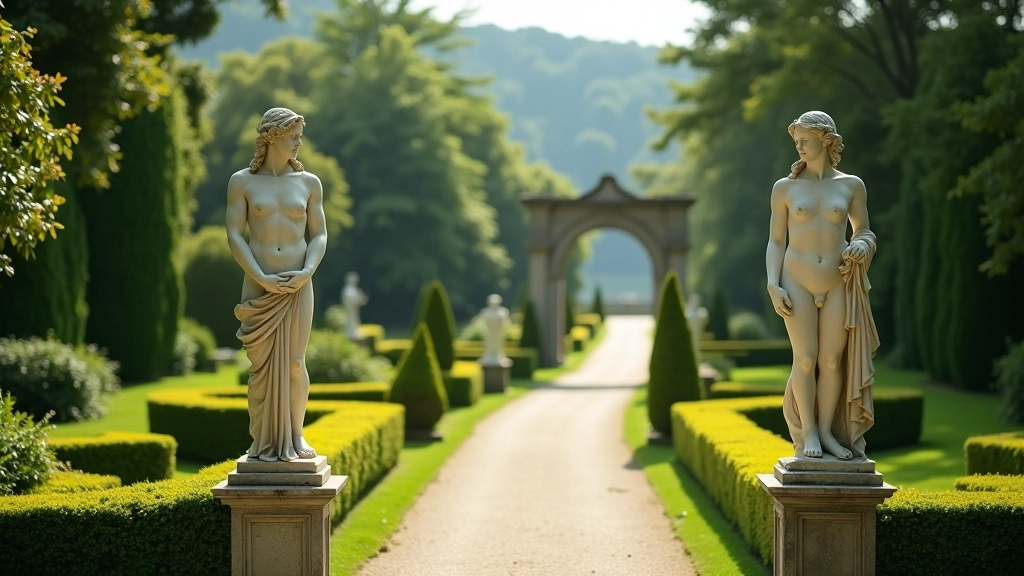
The Italianate garden emerged during the Renaissance, roughly between the 15th and 17th centuries. It's a style born from the marriage of classical ideals and the landscape's natural drama. Unlike the enclosed medieval gardens that preceded them, these gardens opened outward, embracing the surrounding hills and valleys as part of the composition itself.
What made these gardens revolutionary? They weren't hidden away—they were showcases of power and knowledge. Villa owners wanted to display their understanding of geometry, botany, and classical literature. The gardens featured water features, stone sculptures, and carefully pruned plants arranged in mathematical patterns. Every element had purpose. Every axis pointed toward a view or a statue or a fountain.
Key Design Principles
Symmetry and Proportion
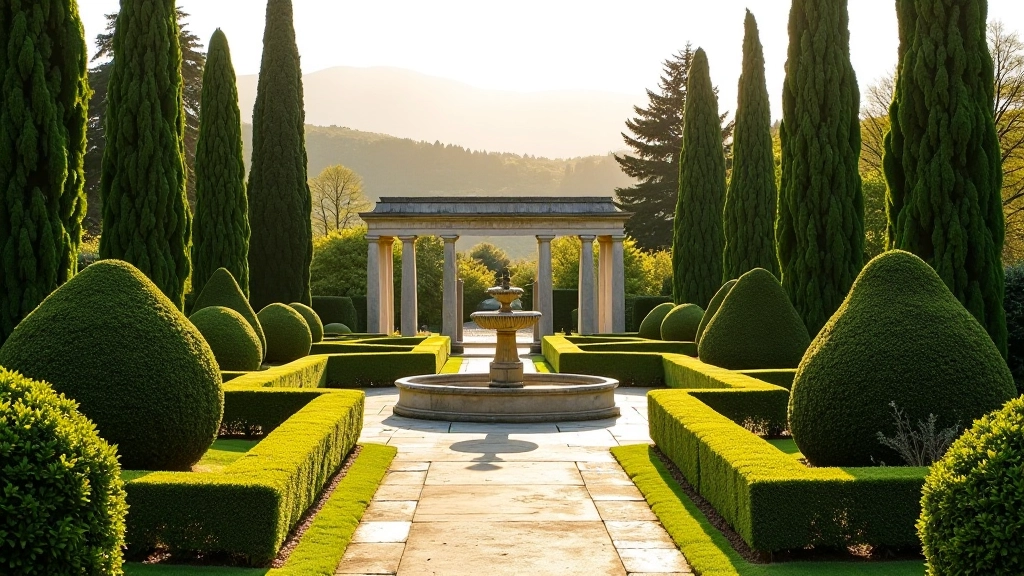
Everything mirrors along a central axis. The left side echoes the right. This wasn't random—it reflected Renaissance beliefs about harmony and balance.
Water Features
Fountains, channels, and cascades weren't just decoration. They represented control over nature and displayed engineering prowess. Water moved downhill through the gardens in theatrical ways.
Topiary and Hedges
Plants were sculpted into geometric shapes—spheres, cones, and walls. This required patience and skill. A single hedge might take 15 years to reach its intended form.
Classical Elements
Stone sculptures, marble statues, and classical inscriptions filled these gardens. They referenced ancient Rome and Greek mythology, connecting owners to historical power.
The Role of Perspective and Viewpoints
Italianate gardens weren't designed to be appreciated all at once. Instead, they unfold as you walk through them. You'd move from a shaded loggia into open sunlight, discovering a fountain around a corner, then climbing stairs to find a grotto hidden in the hillside. This journey—the sequence of revelations—was carefully planned.
Designers called these moments "points of view." A bench positioned on a terrace wouldn't just offer a place to rest. It'd frame a specific vista—perhaps a distant city or a valley below. The gardener understood that the most important elements weren't always the closest ones. A distant view, properly framed, could be more powerful than any sculpture at hand's reach.
This philosophy influenced garden design globally. When wealthy Europeans discovered these Italian examples, they adapted the principles to their own landscapes. You'll find echoes of it in French formal gardens, English country estates, and even American estates. The core idea persisted: gardens should guide the eye and the body through a choreographed experience.
Living Examples: From Villa D'Este to Modern Gardens
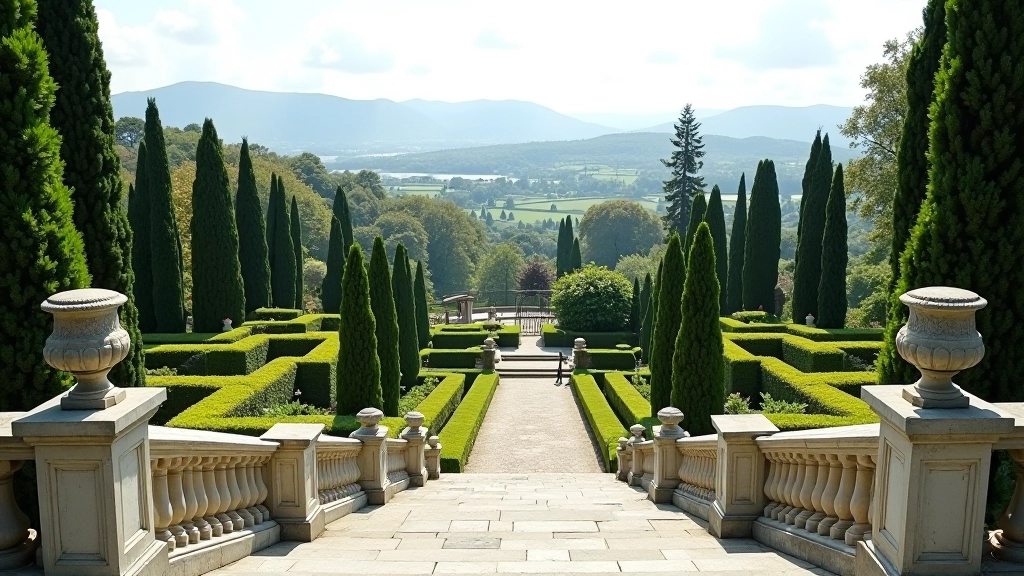
Villa d'Este in Tivoli remains one of the finest examples. Built in the 1570s, it features over 500 fountains cascading down the hillside. Walking through it today, you'll see exactly what Renaissance gardeners intended—the water systems still function, the topiary's been maintained, and the axes still guide your eye across the landscape. It's not a museum piece; it's a living blueprint.
But you don't need to travel to Italy to experience this aesthetic. During the 19th and 20th centuries, wealthy estate owners worldwide recreated Italianate gardens on their properties. Some survive remarkably intact. Others have been adapted—hedges softened, fountains restored, pathways preserved but repurposed for modern visitors.
The enduring appeal of Italianate gardens lies in their balance. They're structured enough to feel controlled and designed, yet generous enough to allow for discovery. They don't overpower visitors with abundance—they invite exploration through carefully composed views and strategic plantings.
In Ireland, particularly around County Cork, several estates incorporate Italianate principles into their landscape design. Garinish Island, for instance, blends Italian formality with the wild coastal setting. The gardeners who created it understood that Italian design principles could work outside Italy—you just had to respect the local climate and geography while maintaining the core philosophy of ordered beauty and framed vistas.
Designing Your Own Italianate Space
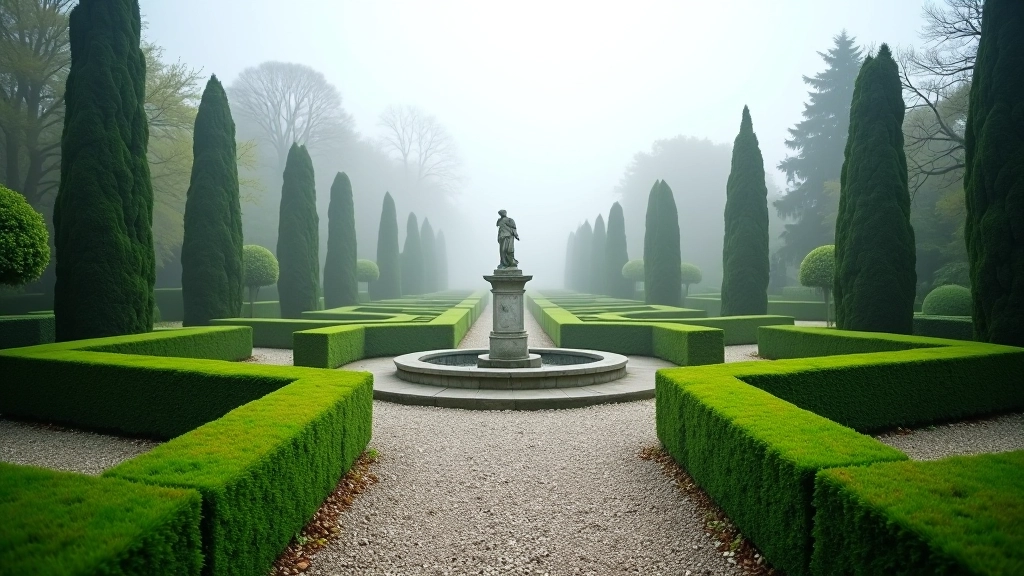
You don't need a 16th-century villa to incorporate these ideas. Even modest gardens benefit from Italianate principles. Start with symmetry—choose a central axis and mirror plantings on either side. Use hedging to create structure. A simple boxwood hedge around a circular space with a birdbath in the center captures the essence without requiring vast acreage.
Water doesn't need to be elaborate. A simple fountain or even a still pool works. The point is the visual and auditory presence. Stone sculptures, even reproductions, provide focal points. And don't overlook the power of perspective—position a bench to frame a view, even if that view is just your garden's far corner with a flowering shrub.
The real gift of Italianate design is its patience. These gardens teach us that beauty comes from repetition, proportion, and time. A hedge takes years to mature. A climbing vine needs seasons to establish. This philosophy suits retirement and slower living perfectly—the garden becomes a project that unfolds across years, rewarding consistent attention with deepening richness.
A Lasting Legacy
Italianate gardens represent more than aesthetic choices. They embody a philosophy about how humans relate to landscape—not by conquering it, but by composing it. By respecting geometry and proportion, by understanding that views matter as much as plantings, by recognizing that journeys through space shape our experience.
This approach has endured for nearly 500 years because it works. It creates spaces that feel both ordered and generous, that reward close inspection and distant contemplation. Whether you're walking through Villa d'Este or sitting in a modest garden inspired by its principles, you're participating in a conversation across centuries—one about beauty, control, and our desire to create meaningful spaces.
This article provides educational information about Italianate garden history and design principles. Garden design implementation varies based on climate, local conditions, property size, and individual preferences. Consult with local horticulturists or landscape designers for specific guidance on creating or maintaining gardens in your region. Historical information represents scholarly consensus but may be interpreted differently across sources.